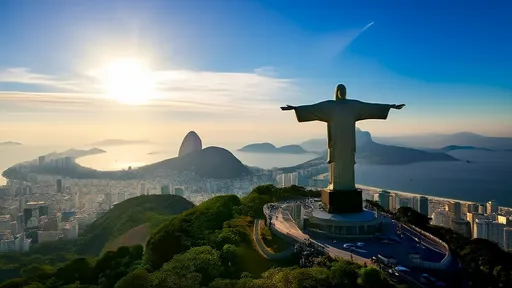
The iconic Christ the Redeemer statue in Rio de Janeiro stands tall atop Corcovado Mountain, offering breathtaking panoramic views of the city below. However, many visitors who make the pilgrimage to this wonder of the modern world are met with an unexpected challenge: dense fog that obscures the statue and the vistas entirely. Timing your visit to avoid these frustrating conditions can mean the difference between an unforgettable experience and a disappointing one.
Understanding the patterns of fog formation around Corcovado Mountain requires a blend of meteorological insight and local knowledge. The fog, known locally as "neblina," often rolls in from the Atlantic Ocean, particularly during the early morning and late afternoon. While this natural phenomenon adds a mystical aura to the statue, it can also completely hide it from view. Locals and frequent visitors have learned to read the signs—subtle shifts in wind direction, humidity levels, and seasonal trends—that hint at clearer skies.
Early mornings are a gamble. Though the first light of day paints the statue in golden hues, the hours between 6:00 and 8:00 AM are notorious for heavy fog, especially during the winter months from June to August. The cooler temperatures and higher humidity create ideal conditions for condensation. However, those willing to take the risk are sometimes rewarded with the surreal sight of the statue emerging from the mist as the sun burns through the haze.
By mid-morning, around 9:00 to 11:00 AM, the fog often begins to dissipate. This window is widely regarded as one of the most reliable times to catch a clear view. The sun has had time to warm the air, reducing the moisture that fuels the fog. Tour groups tend to arrive in force during this period, so while visibility improves, the crowds can be a trade-off. Still, the sight of Christ the Redeemer against a backdrop of blue sky and sprawling urban landscape is worth navigating the busier pathways.
As the day progresses, the afternoon brings another shift. Between 1:00 and 3:00 PM, the fog occasionally returns, particularly if the day is overcast or if a sea breeze pushes moisture inland. Visitors during these hours should keep an eye on the horizon—if the sky starts to whiten or the statue’s outline softens, it’s a sign that the fog is rolling back in. Some seasoned travelers recommend checking live webcam feeds of the statue before heading up, as conditions can change rapidly.
Surprisingly, sunset presents a unique opportunity. While fog is common in the early evening, there are days when the skies remain clear, offering a spectacular view of the city transitioning from day to night. The warm glow of the setting sun reflecting off the statue’s soapstone surface is a sight few forget. That said, this time slot is unpredictable, and those with limited time in Rio might prefer the safer bet of late morning.
Seasonal variations play a crucial role as well. Summer months (December to March) tend to have more stable weather, with fewer foggy interruptions. However, these months also coincide with Rio’s rainy season, meaning sudden downpours can replace fog as the primary visibility disruptor. In contrast, winter (June to August) sees more frequent fog but less rain, creating a different set of challenges for visitors.
For those determined to maximize their chances, consulting a local guide or checking weather apps that specialize in microclimates can be invaluable. The mountain’s elevation creates its own weather system, and general forecasts for Rio may not accurately reflect conditions at the summit. Some tour operators even offer flexible scheduling, allowing visitors to adjust their ascent based on real-time updates.
Ultimately, while there’s no foolproof method to guarantee a fog-free visit to Christ the Redeemer, understanding these patterns can tilt the odds in your favor. Whether you brave the early morning mist or aim for the steady clarity of mid-morning, the reward—a unobstructed view of one of the world’s most majestic landmarks—is well worth the planning.

By /Jul 25, 2025

By /Jul 25, 2025
By /Jul 25, 2025

By /Jul 25, 2025

By /Jul 25, 2025
By /Jul 25, 2025
By /Jul 25, 2025

By /Jul 25, 2025

By /Jul 25, 2025

By /Jul 25, 2025

By /Jul 25, 2025
By /Jul 25, 2025

By /Jul 25, 2025

By /Jul 25, 2025
By /Jul 25, 2025
By /Jul 25, 2025

By /Jul 25, 2025

By /Jul 25, 2025

By /Jul 25, 2025
By /Jul 25, 2025
