The volcanic landscapes of Hawaii offer some of the most breathtaking and dynamic hiking experiences in the world. With Kilauea and Mauna Loa frequently active, visitors flock to the Big Island to witness the raw power of nature. However, due to the ever-changing conditions of these volcanic areas, checking the open status of lava observation points is crucial for both safety and planning purposes.
Understanding Volcanic Activity Patterns
Volcanic activity in Hawaii follows unpredictable patterns that can change rapidly. The Hawaiian Volcano Observatory (HVO) monitors these changes 24/7, providing updates that determine which areas are safe for public access. Unlike national parks with fixed operating hours, Hawaii Volcanoes National Park operates under a dynamic system where trails and viewpoints may close without notice based on volcanic gas emissions, lava flow changes, or seismic activity.
During periods of heightened activity, certain trails might open for limited viewing opportunities, while during quieter phases, more areas typically become accessible. The park management emphasizes that there's no such thing as a completely "safe" volcanic area - only areas deemed lower risk at specific times. This reality makes checking current conditions absolutely essential before making the trip.
Primary Lava Viewing Locations
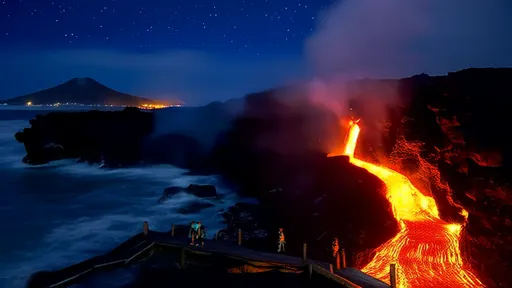
The most sought-after lava viewing areas cluster around Kilauea, which has been continuously erupting in some fashion since 1983. Halema'uma'u Crater within the Kilauea caldera often serves as the main attraction when active. The crater's lava lake creates spectacular nighttime glow visible from multiple vantage points when conditions permit.
Coastal lava entry points, where molten rock meets the ocean, create dramatic steam plumes and occasionally new black sand beaches. However, these areas frequently close due to the unstable ground and toxic gas concerns. The now-famous 2018 lower Puna eruption zone, which destroyed hundreds of homes and reshaped the coastline, remains partially accessible when volcanic conditions stabilize.
Where to Find Reliable Updates
The National Park Service maintains the most accurate and up-to-date information through their official website and visitor center announcements. Their daily updates include which crater rim trails are open, whether any lava is visible from authorized viewpoints, and which roads or parking areas might be closed due to volcanic hazards.
For those planning to hike beyond the main park areas to see surface flows, checking with the County of Hawaii Civil Defense alerts becomes equally important. They monitor and announce which residential areas or access roads near active flows remain open to the public. Local tour operators often have real-time information as well, as their businesses depend on knowing exactly where safe viewing might be possible each day.
Safety Considerations Beyond Open/Closed Status
Even when areas are technically open, visitors must consider several hazard factors. Volcanic smog (vog) containing sulfur dioxide can make hiking uncomfortable or dangerous for those with respiratory conditions. The ground in recently active areas may look solid but could hide extremely thin crusts over molten lava tubes. Sudden collapses have occurred without warning.
Park rangers strongly advise against attempting to bypass closures or hike to unauthorized areas. Beyond the legal consequences, numerous fatalities have occurred when visitors underestimated volcanic hazards. The 1993 tragedy where a sudden steam explosion killed a hiker near Kilauea's caldera rim serves as a sobering reminder of these dangers.
Best Practices for Lava Hiking
Early morning typically offers the best conditions for volcano hiking, before afternoon clouds obscure views and when sulfur dioxide concentrations tend to be lower. Bringing multiple light sources is essential for any evening viewings, as the rough terrain becomes treacherous after dark. Sturdy closed-toe shoes with thick soles protect against the sharp volcanic rock that can slice through ordinary sneakers.
Carrying more water than anticipated proves critical - the combination of heat radiating from the ground and physical exertion leads to rapid dehydration. Many experienced hikers recommend bringing a respirator mask in case vog conditions worsen unexpectedly. Perhaps most importantly, maintaining flexible plans allows visitors to adjust based on the day's actual conditions rather than risking safety to stick to an itinerary.
The Unpredictable Nature of Lava Viewing
Some visitors arrive disappointed to find no visible surface lava during their visit, while others witness spectacular eruptions by pure timing luck. The volcanic landscape changes not just daily but sometimes hourly. Rangers recount stories of viewpoints being perfectly safe at noon but closed by sunset due to new fissures opening.
This uncertainty forms part of the authentic volcanic experience. The mountains operate on geological time, indifferent to human schedules. The most rewarding visits often come from embracing this unpredictability rather than fighting it - being present to witness whatever the volcano chooses to reveal during your time there.
Alternative Experiences When Lava Flows Are Inaccessible
During periods when active lava remains out of view, the park still offers incredible volcanic experiences. The steam vents along Crater Rim Trail demonstrate the underground heat still present. The Thurston Lava Tube provides a cool walk through an ancient lava channel. Various hikes across older lava fields reveal how life gradually returns to the barren rock, with pioneer plants and even trees slowly colonizing the once-molten flows.
Visitor centers showcase excellent exhibits explaining volcanic processes and cultural significance. The nearby Jaggar Museum (when open) offers geological displays and historical eruption accounts. These alternatives ensure that even without visible lava, a visit to Hawaii's volcanic areas remains educational and awe-inspiring.
Cultural Respect During Your Visit
Native Hawaiians consider Pele, the volcano goddess, a living force to be respected. Certain areas hold deep spiritual significance. Visitors should refrain from removing rocks or other natural materials, not just because it's prohibited by park rules, but out of respect for cultural beliefs about Pele's power. Many locals can share stories of "Pele's curse" befalling those who took lava rocks as souvenirs.
Guided hikes with Native Hawaiian cultural practitioners offer profound perspectives on how volcanic activity intertwines with island traditions and creation stories. These experiences often provide more meaningful connections to the landscape than simply chasing Instagram-worthy lava shots.
Final Thoughts on Volcano Exploration
Witnessing Hawaii's volcanic forces firsthand creates unforgettable memories, but requires responsible planning. The islands' geology operates on its own schedule, rewarding flexible visitors with some of nature's most powerful displays. By checking official sources for current conditions, preparing thoroughly for hazards, and approaching the experience with respect and patience, hikers can safely enjoy one of Earth's most dynamic landscapes.
Remember that volcanic viewing constitutes a privilege, not a guaranteed right. The mountains will erupt or rest as they choose. Our role as visitors is to adapt to their rhythms, not demand they conform to our vacation timelines. This mindset shift transforms a simple hike into a profound encounter with our planet's incredible geological forces.

By /Jul 25, 2025

By /Jul 25, 2025
By /Jul 25, 2025

By /Jul 25, 2025

By /Jul 25, 2025

By /Jul 25, 2025

By /Jul 25, 2025
By /Jul 25, 2025

By /Jul 25, 2025

By /Jul 25, 2025

By /Jul 25, 2025
By /Jul 25, 2025

By /Jul 25, 2025

By /Jul 25, 2025

By /Jul 25, 2025
By /Jul 25, 2025

By /Jul 25, 2025

By /Jul 25, 2025

By /Jul 25, 2025

By /Jul 25, 2025
